A shared We Love 2 Hike Adventures (WL2H) trip might just be one of the world's best group-bonding experiences. If you've got a crew of 5 or more or employees who deserve a special reward or a gang of gung-ho family members who are just itching to see the world—consider a private hike with We Love 2 Hike (WL2H).
http://welove2hike.blogspot.com/p/private.html
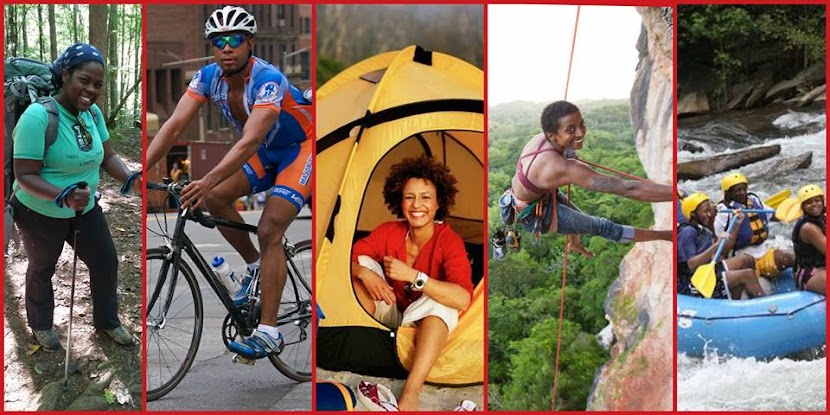
#WeLoveExploring was designed to find like minded individuals that love to Explore, nature and life overall. We want to find other explorers that desire to travel the world and Explore. From hiking, biking, camping, Paddling, Climbing, Snow sports or just a stroll in a new city or country and much more.


HIKING IN BAD WEATHER
Lightning. The odds of being struck by lightning are low, but an open ridge is no place to be during a thunderstorm. If a storm is coming, immediately leave exposed areas. Boulders, rocky overhangs, and shallow caves offer no protection from lightning, which may actually flow through them along the ground after a strike. Tents and convertible automobiles are no good, either. ...Sheltering in hard-roofed automobiles or large buildings is best, although they are rarely available to the hiker. Avoid tall structures, such as ski lifts, flagpoles, powerline towers, and the tallest trees, solitary rocks, or open hilltops. If you cannot enter a building or car, take shelter in a stand of smaller trees or in the forest. Avoid clearings. If caught in the open, crouch down on your pack or pad, or roll into a ball. If you are in water, get out. Disperse groups, so that not everyone is struck by a single bolt. Do not hold a potential lightning rod, such as a fishing pole or metal hiking pole.
Lightning. The odds of being struck by lightning are low, but an open ridge is no place to be during a thunderstorm. If a storm is coming, immediately leave exposed areas. Boulders, rocky overhangs, and shallow caves offer no protection from lightning, which may actually flow through them along the ground after a strike. Tents and convertible automobiles are no good, either. ...Sheltering in hard-roofed automobiles or large buildings is best, although they are rarely available to the hiker. Avoid tall structures, such as ski lifts, flagpoles, powerline towers, and the tallest trees, solitary rocks, or open hilltops. If you cannot enter a building or car, take shelter in a stand of smaller trees or in the forest. Avoid clearings. If caught in the open, crouch down on your pack or pad, or roll into a ball. If you are in water, get out. Disperse groups, so that not everyone is struck by a single bolt. Do not hold a potential lightning rod, such as a fishing pole or metal hiking pole.

Subscribe to:
Posts (Atom)